A sales playbook is a step-by-step guide that tells your team exactly what to do in every selling situation. Big companies have them. Small businesses? They usually wing it and it shows.
The good news is that you don’t need a massive sales operations team to build one. With the right platform, you can automate, track, and refine your plays from day one.
Universell gives you everything you need under one roof: CRM, email and SMS marketing, invoicing, scheduling, inventory, e-commerce, and analytics, all connected. That means your playbook isn’t just a document. It’s a live system your team follows inside the tools they already use.
Here are five essential sales playbook types, adapted for small and medium businesses with examples you can set up in Universell today.
1. Cold Outreach Playbook
Goal: Turn strangers into conversations.
A cold outreach playbook covers who to contact, what to say, and how to follow up. The key is consistency by sending the right message at the right interval without spamming.
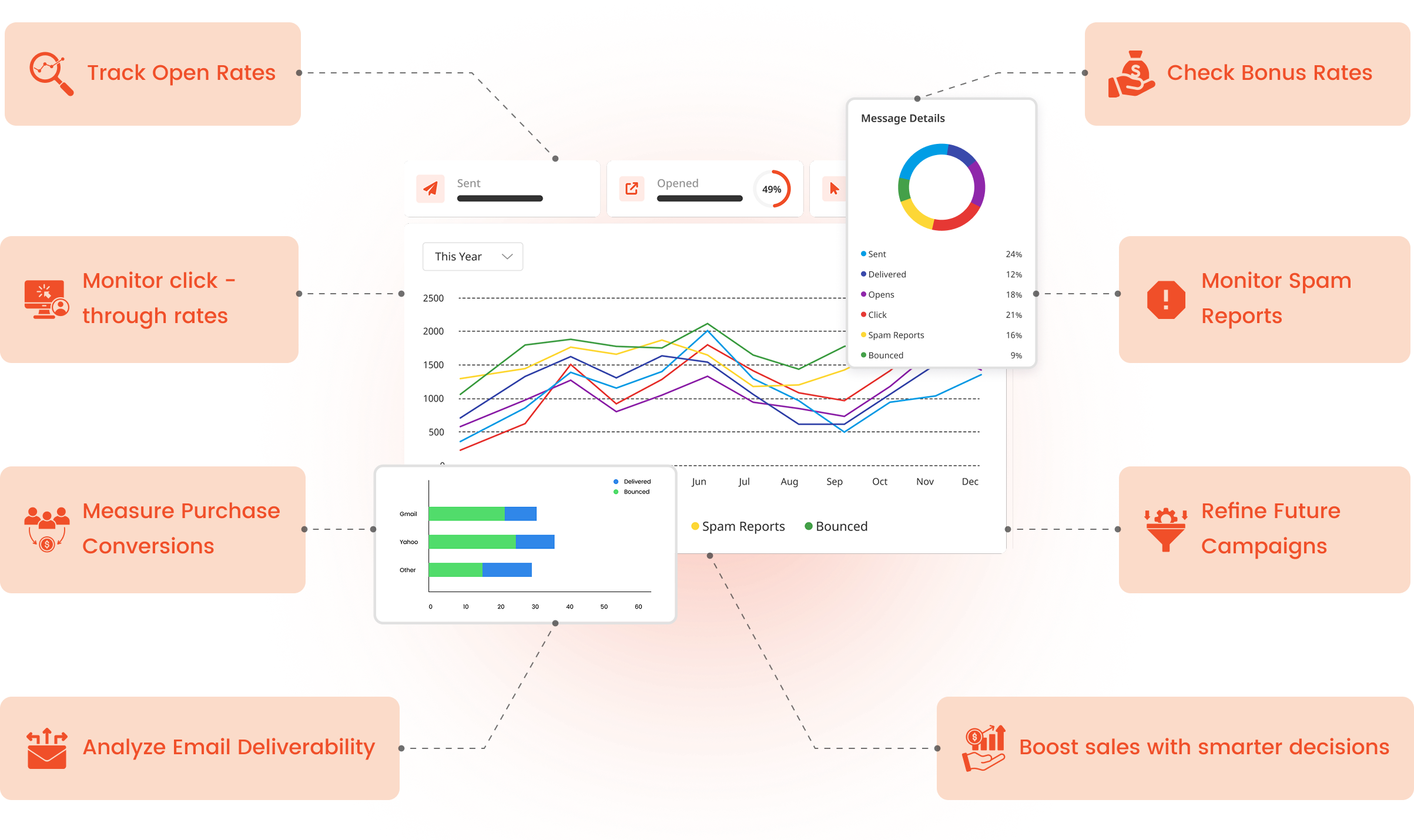
Universell example: Use Universell’s CRM to create a lead segment for “New Prospects — No Contact Yet.” Set up an email automation sequence that sends a friendly introduction on day one, a value-add tip on day three, and a case study on day seven. Use Universell’s telephony module to log every call attempt. When a lead replies or answers, the deal stage automatically moves to “Qualified.”
A boutique fitness studio imports 200 local business contacts. The automated sequence runs for two weeks. By day 14, 12 leads have booked a demo through Universell’s scheduling tool.
2. Discovery Call Playbook
Goal: Qualify leads and uncover pain points.
This playbook defines the questions your team asks, the information they collect, and the criteria that move a lead to the next stage.
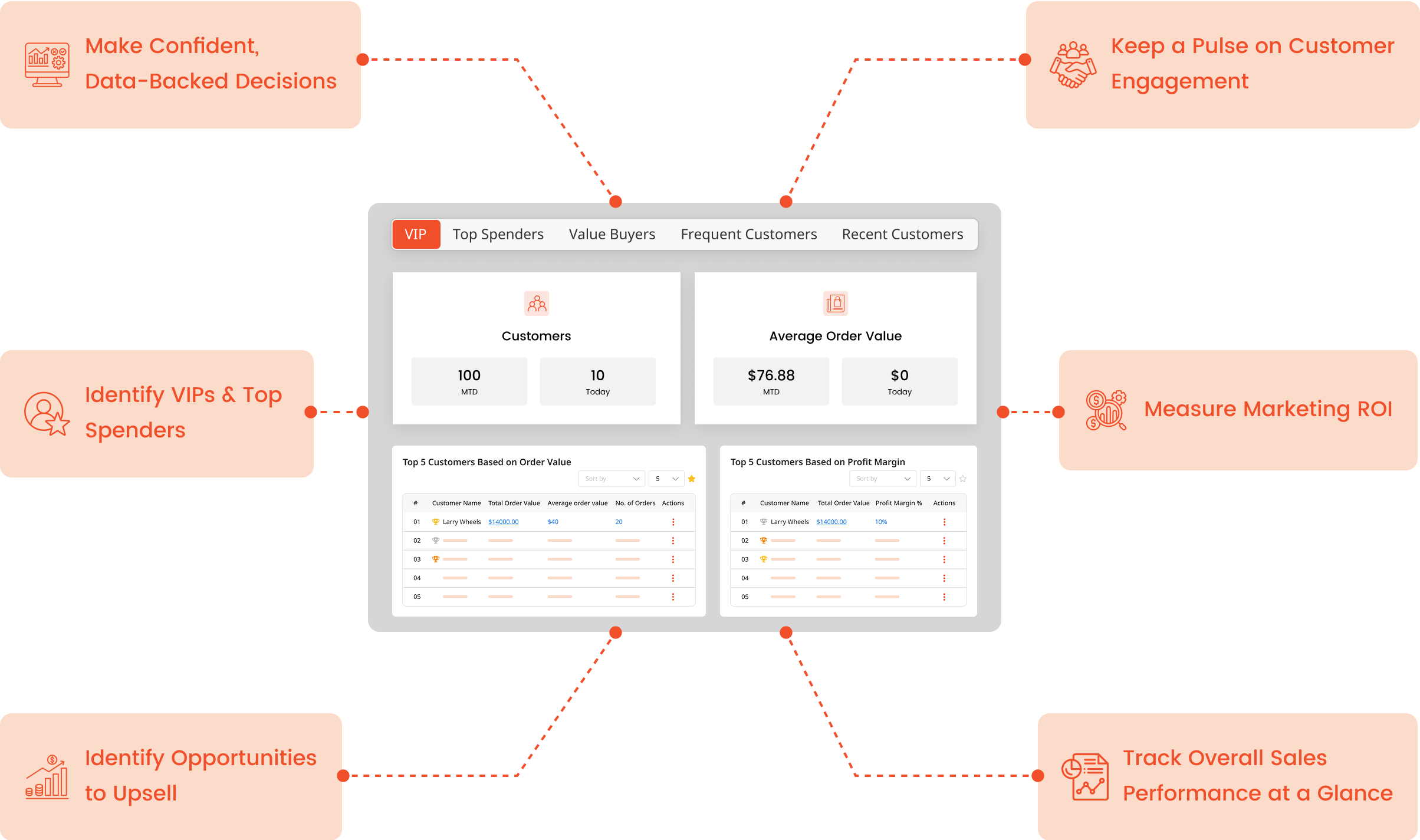
Universell example: Build a custom deal stage pipeline in Universell’s CRM: New Lead → Discovery Scheduled → Discovery Done → Qualified → Proposal Sent. Attach a checklist to the “Discovery Done” stage with required fields: budget range, decision-maker name, timeline, and top pain point. Universell’s analytics dashboard shows you exactly where deals stall so you can coach your reps.
A retail store owner uses the checklist during calls. After 30 days, they notice 40% of deals stall at “Discovery Done” because reps aren’t asking about budget. A quick training fix increases close rates by 15%.
3. Demo / Product Tour Playbook
Goal: Show value and handle objections.
A demo playbook ensures every prospect sees the features that matter most to them, not a generic walkthrough.
Universell example: Before the demo, your rep tags the lead with their industry (Retail, Service, or E-commerce) in Universell’s CRM. The demo script automatically adjusts: for a retailer, focus on inventory sync and POS. For a service business, highlight scheduling and recurring billing. Use Universell’s built-in note-taking to log objections in real time, then trigger a follow-up email that addresses each one.
A salon owner sees how Universell handles appointment bookings and loyalty rewards. The rep logs the objection “too many features to learn.” The automated follow-up email links to a 3-minute tutorial video. The salon owner signs up the same week.
Onboarding is where retention is won or lost. A good playbook maps out the first 30 days step by step.
Universell example: When a deal closes, Universell’s workflow automation triggers a welcome email series: Day 1 — account setup guide, Day 3 — first product import tutorial, Day 7 — POS configuration walkthrough, Day 14 — check-in call scheduled via Universell’s booking tool. Your team tracks onboarding progress on a dedicated dashboard.
A new clothing boutique owner completes setup in 20 minutes using the guided workflow. She’s ringing her first sale through Universell’s POS by day two. The automated check-in on day seven catches a question about inventory, solved in one call.
Referral plays are low-cost and high-trust. This playbook makes it easy for customers to spread the word.
Universell example: Set up a referral campaign inside Universell’s marketing module. Send an email to your most engaged customers (based on purchase frequency or NPS score) with a unique referral link. For every referral who signs up for a free trial, the referrer gets a $50 credit on their next invoice — automatically applied through Universell’s billing system. Track referrals in a dedicated deal pipeline.
A satisfied retail boutique owner shares her referral link with three fellow shop owners. Two sign up for trials, one converts to a paid customer. The boutique owner gets $100 in credits. Universell gains a new customer with zero cold outreach cost.
Start with one playbook — cold outreach or onboarding is usually the easiest — and build from there. Over time, your playbooks become your competitive advantage.