Spreadsheets have been a trusted business tool for decades. They’re simple, flexible, and cost-effective, making them a popular choice for startups and small businesses. However, as a business grows, spreadsheets often become difficult to manage. Manual updates, duplicate information, and disconnected processes can slow down productivity and impact customer satisfaction.
So, how do you know when it’s time to move beyond spreadsheets?
Spreadsheets Work – Until They Don’t
For businesses with only a few customers or products, spreadsheets may be enough. But as operations expand, they become harder to maintain.
Common challenges include:
- Duplicate customer records
- Missed follow-ups
- Inventory inaccuracies
- Manual invoicing
- Time-consuming reporting
These issues can limit growth and reduce efficiency.
Keep Customer Data Organized
Customer information is one of your most valuable business assets. When contact details, purchase history, and notes are stored in different files, finding the right information becomes frustrating.
Using CRM contact management allows businesses to organize customer data in one place, helping teams respond faster and provide a better customer experience.
Manage Sales with Confidence
Tracking leads manually often leads to missed opportunities. Without a structured sales process, it’s difficult to know which prospects need attention.
A deal pipeline software solution helps businesses monitor every stage of the sales journey, from the first inquiry to the final sale.
Improve Inventory Accuracy
Inventory mistakes can result in delayed orders, unhappy customers, and unnecessary costs.
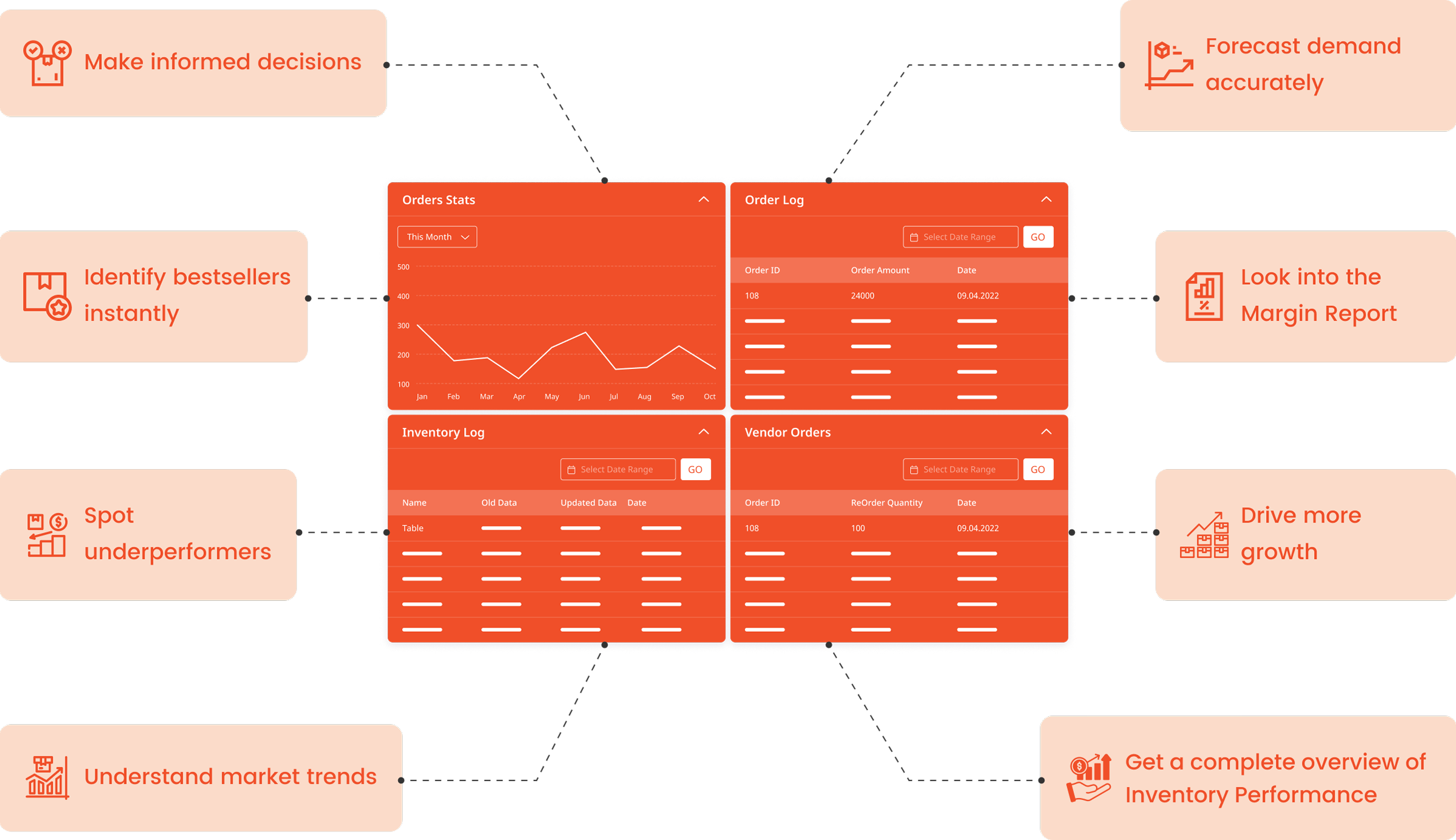
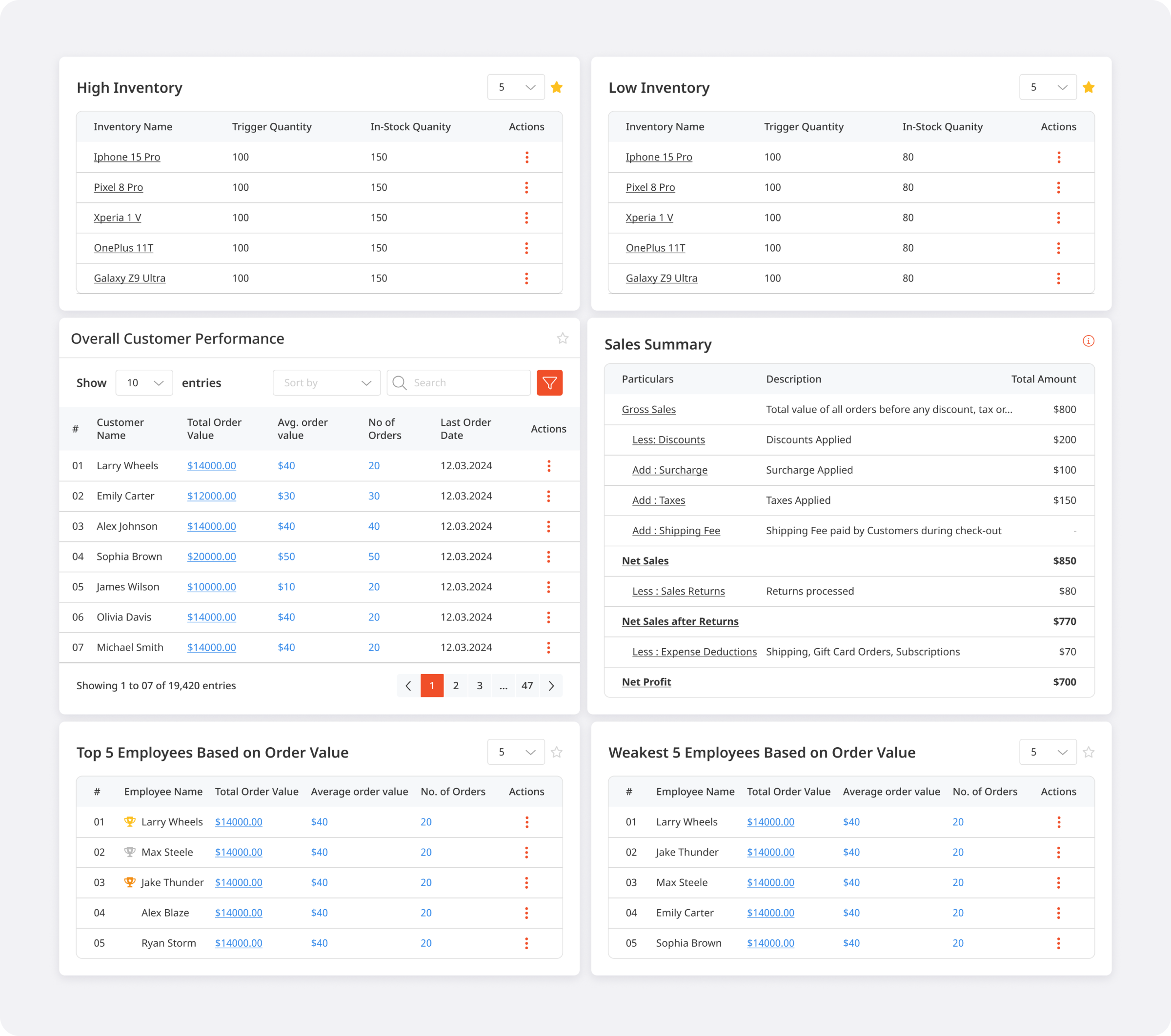
With inventory tracking software, businesses gain accurate stock visibility, helping prevent overselling and improve purchasing decisions.
Simplify Billing and Payments
Managing invoices manually can delay payments and create extra administrative work.
Businesses that use accept payments in your CRM can streamline the payment process, improve cash flow, and reduce time spent switching between different systems.
Why Integrated Systems Matter
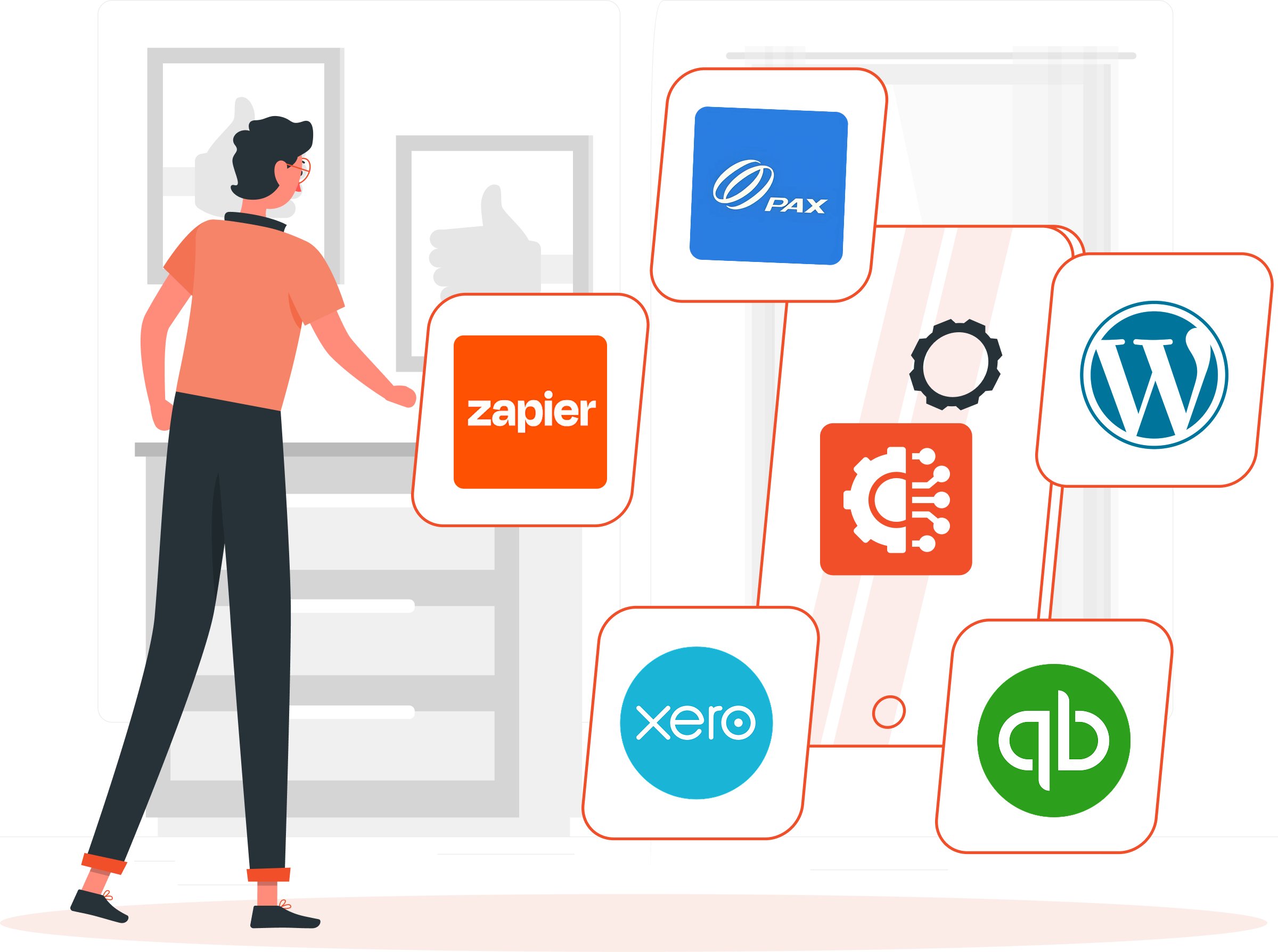
Instead of using separate tools for customers, sales, inventory, and payments, an integrated business platform connects everything together.
Your sales team sees customer history.
Your operations team tracks inventory in real time.
Your finance team monitors invoices and payments.
Everyone works with the same information, improving collaboration and reducing manual work.
When Is It Time to Upgrade?
If you’re experiencing any of these challenges, it may be time to move beyond spreadsheets:
- Your business is growing rapidly.
- Your team spends hours updating files.
- Customer information is scattered.
- Sales opportunities are being missed.
- Reporting takes too long.
- You’re using multiple disconnected tools.
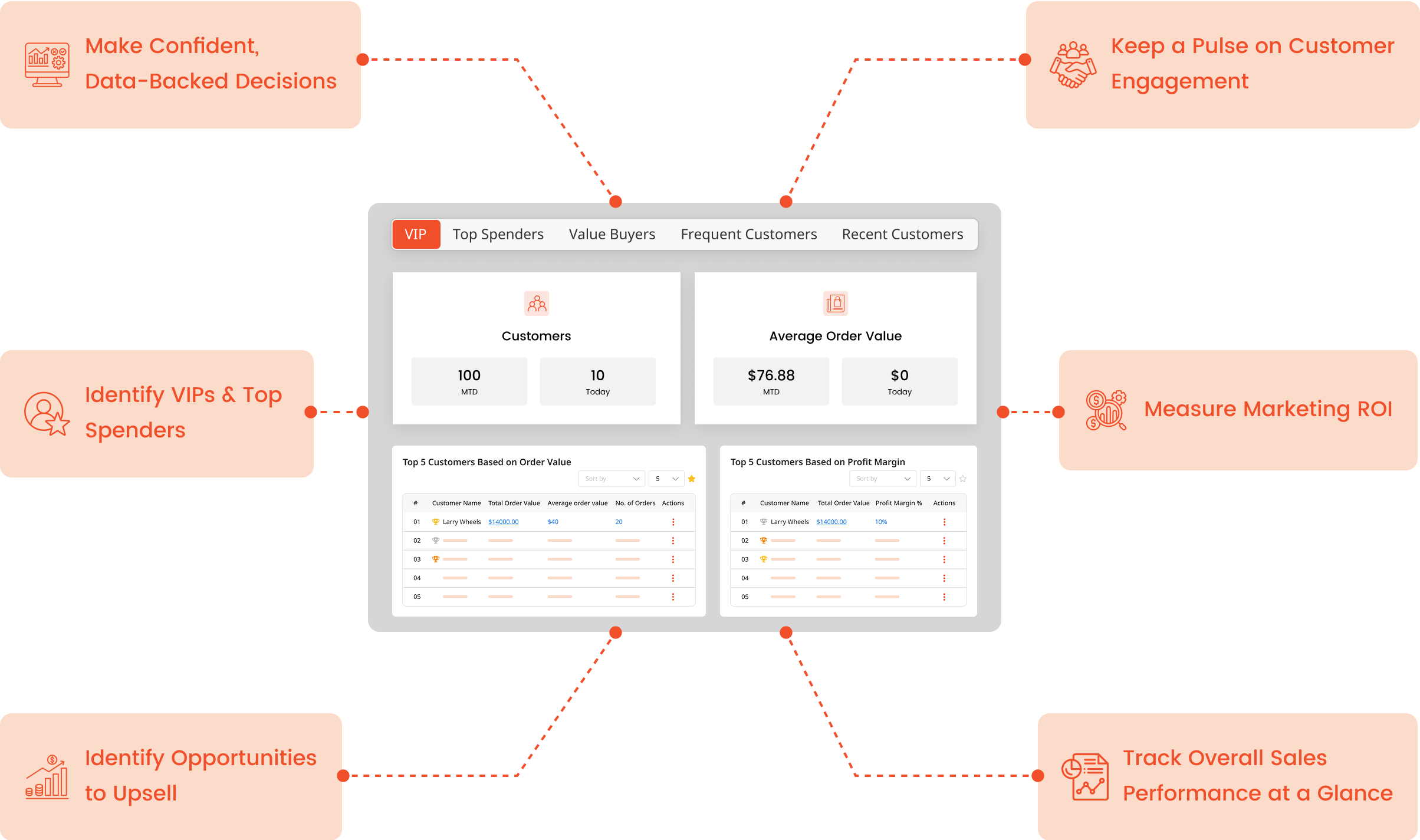
Modern business management software is designed to solve these problems while supporting future growth.
Final Thoughts
Spreadsheets are a great starting point, but they aren’t built to manage the demands of a growing business. Investing in the right business management platform helps improve efficiency, reduce manual work, and create a better experience for both your team and your customers.
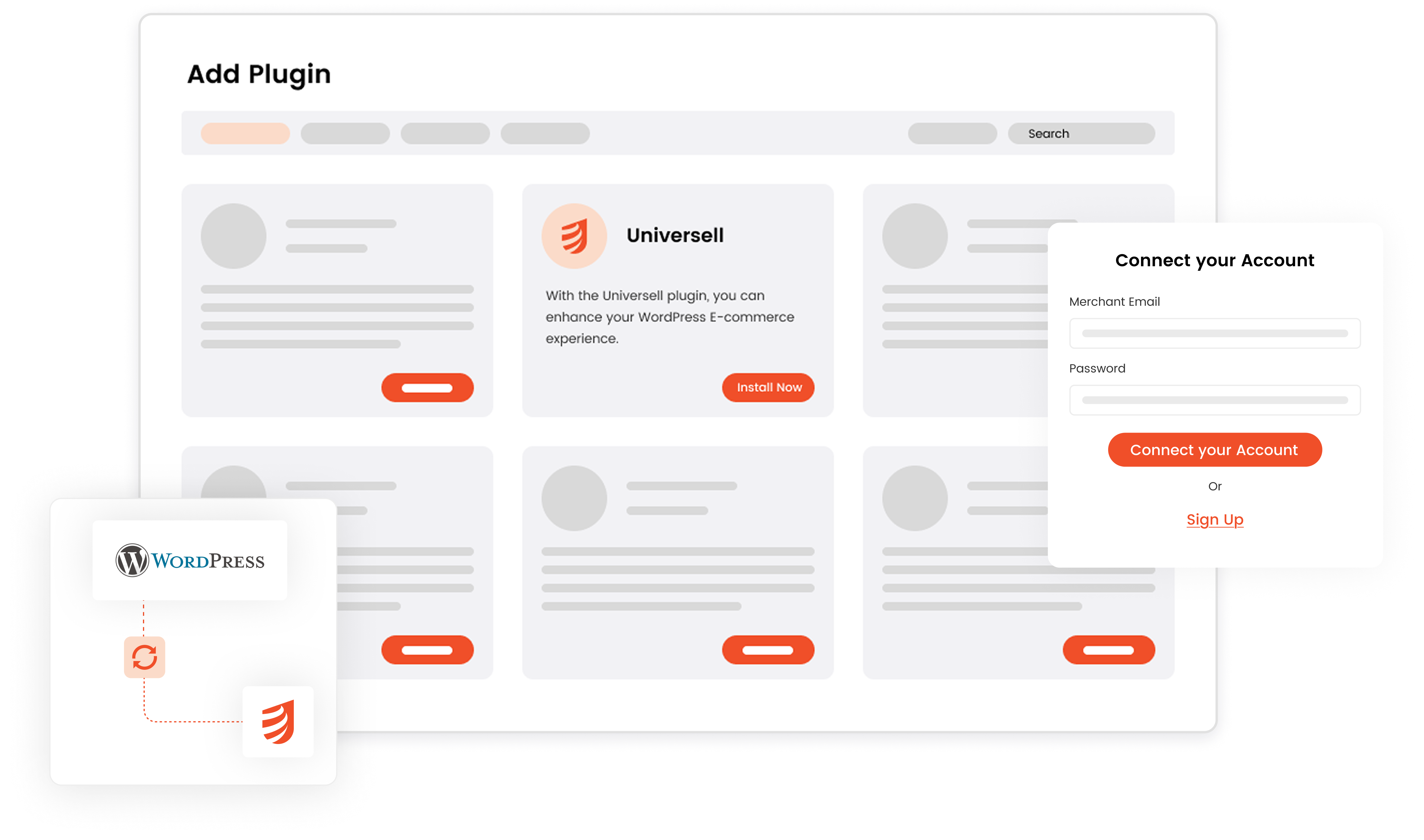
With Universell, you can manage customer relationships, sales, inventory, invoicing, and payments from one connected platform – giving your business the tools it needs to scale with confidence.