You’ve heard the term CRM thrown around. Maybe you’ve even tried one and found it confusing, expensive, or just not built for the way your business actually works.
Here’s the truth: a CRM is just a tool to help you keep track of the people you do business with, their names, what they bought or booked, when you last talked to them, and what they need next. That’s it. The fancy features are just ways to make that easier and more automatic.
In this guide, I’ll walk through what a CRM is, who should use one, the key terms you need to know, and how to use Universell specifically because it’s built differently than the old-school CRMs.
What Is a CRM and Who Should Use One?
A CRM, customer relationship management system is a central place to store and manage every interaction you have with a client or lead. Instead of keeping names in your phone, notes in a notebook, and appointments on a paper calendar, a CRM puts everything in one searchable, organized system.
Who should use a CRM?
- Solo service providers: consultants, coaches, hairstylists, massage therapists, tutors. You need to remember client preferences, past services, and when to follow up.
- Small clinics and practices: chiropractors, dentists, med spas. You need scheduling, intake forms, and automated reminders.
- Agencies and consultancies: marketing agencies, design firms, business consultants. You need pipeline tracking, project handoffs, and client communication history.
- Fitness and wellness studios: personal trainers, yoga studios, gyms. You need class scheduling, membership tracking, and re-engagement campaigns.
- Home service businesses: cleaners, landscapers, repair services. You need appointment booking, route planning, and follow-up reviews.
- If you interact with clients one-on-one and want to stop dropping balls, you need a CRM.
Key CRM Terms to Know
Before diving into how to use Universell, here are the basic terms that apply to any CRM, including Universell.
Contact or client record
A single profile for one person. It stores their name, phone, email, address, service history, notes, and any tags you’ve added. In Universell, this is your client record and it’s linked to their appointments, invoices, and communication history.
Pipeline or deal stages
The steps a lead or client moves through before becoming a paying customer. Common stages: New Lead, Booked Consultation, Proposal Sent, Paid, Completed. Universell lets you customize stages to match your actual workflow.
Automation or workflow
A set of triggers and actions that happen automatically. Example: when a client books an appointment, Universell automatically sends a confirmation email, then a reminder 24 hours before, then a follow-up after the service.
Segmentation or tags
Labels you apply to clients to group them. Examples: “VIP,” “Needs Follow-Up,” “Monthly Membership,” “Referred by Client.” Universell uses tags and custom fields to organize your list.
Email sequence or drip campaign
A series of emails sent automatically based on time or actions. Example: a new lead signs up, gets a welcome email, then a booking invitation three days later, then a special offer after seven days.
Booking or appointment link
A self-service page where clients can see your availability and book their own time. Universell’s booking pages sync with your calendar and send automatic reminders.
Invoice and payment record
A digital bill tied to a client and appointment. Universell lets you create invoices, accept payments, and store the record in the client’s profile.
Dashboard or reporting
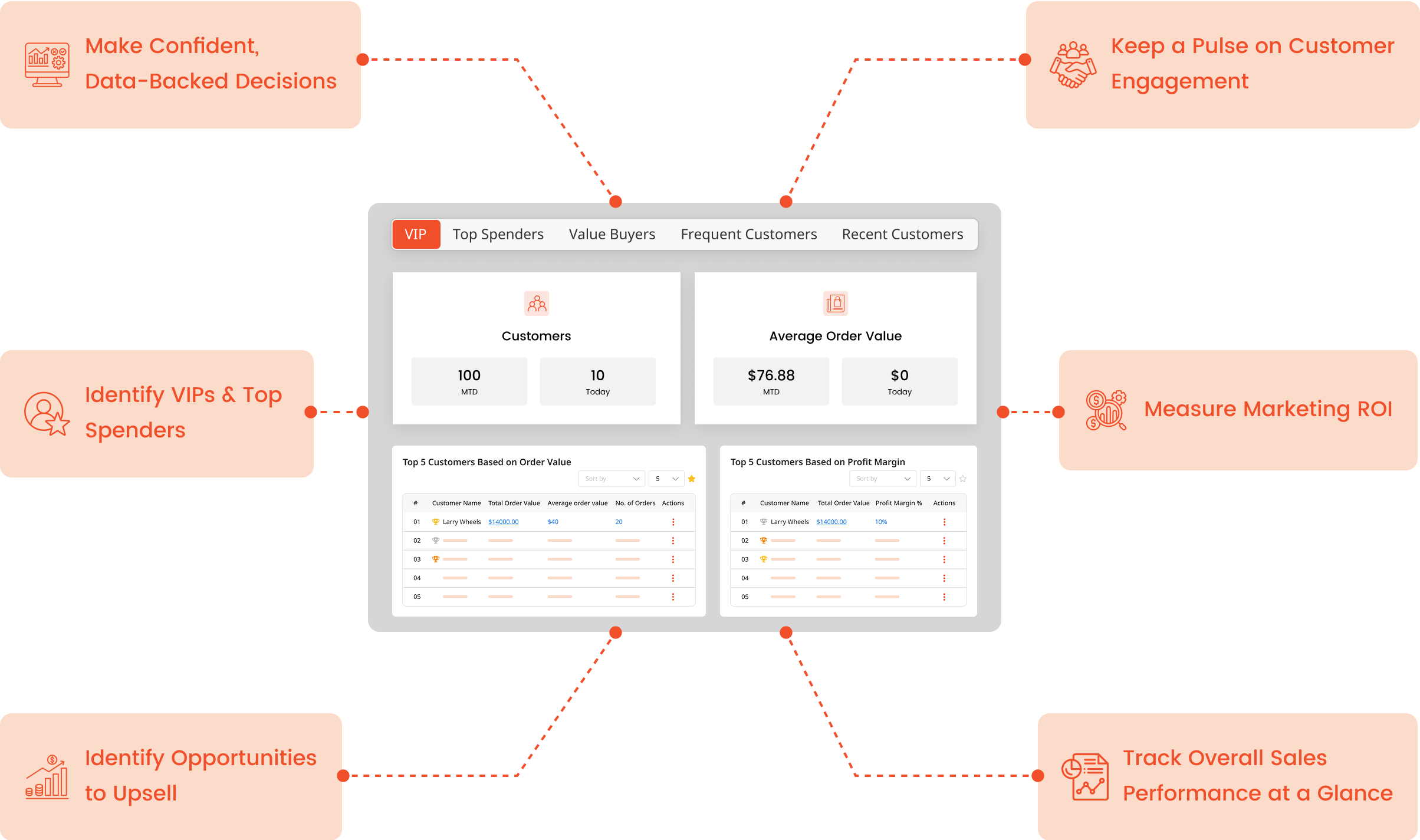
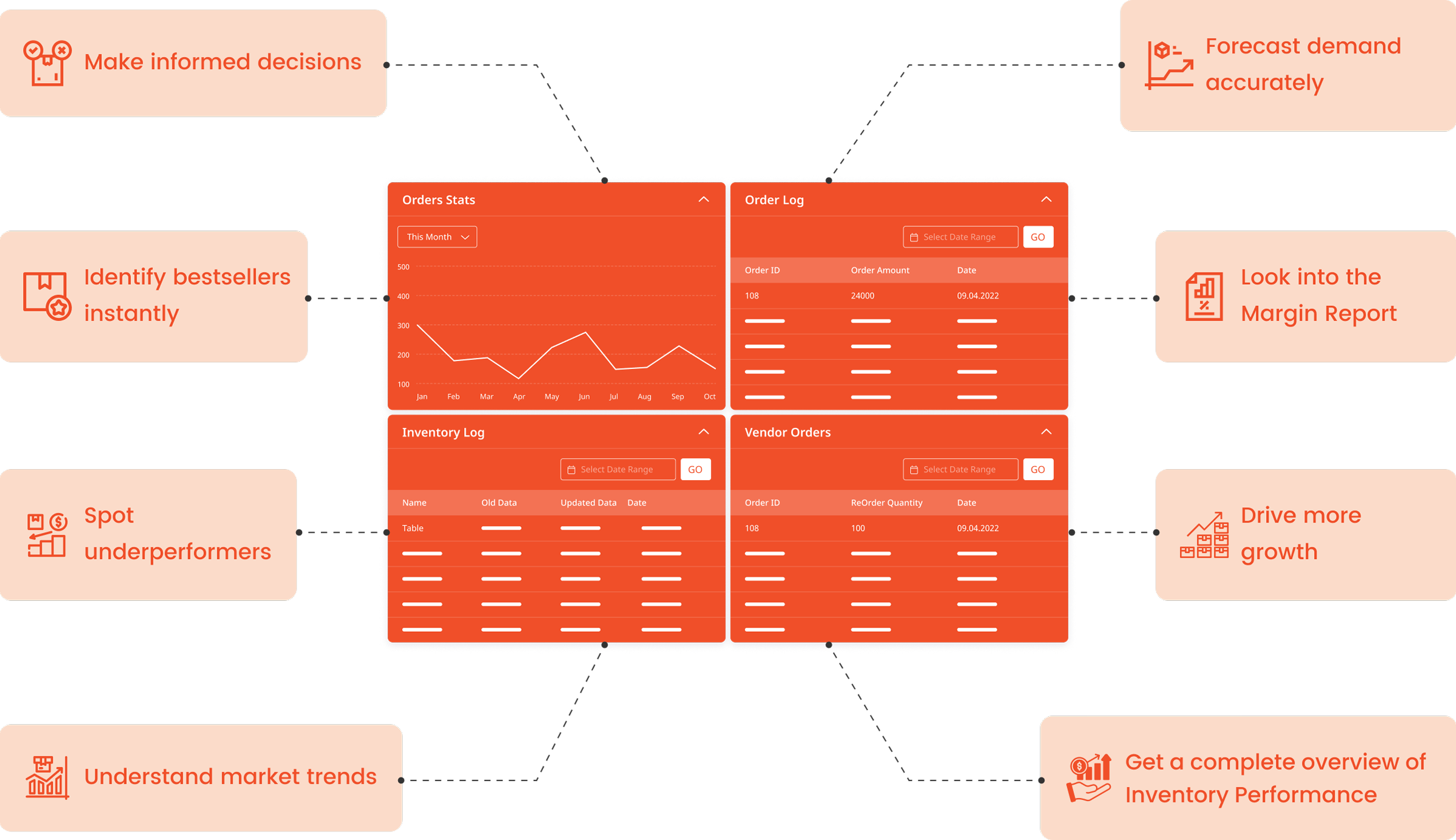
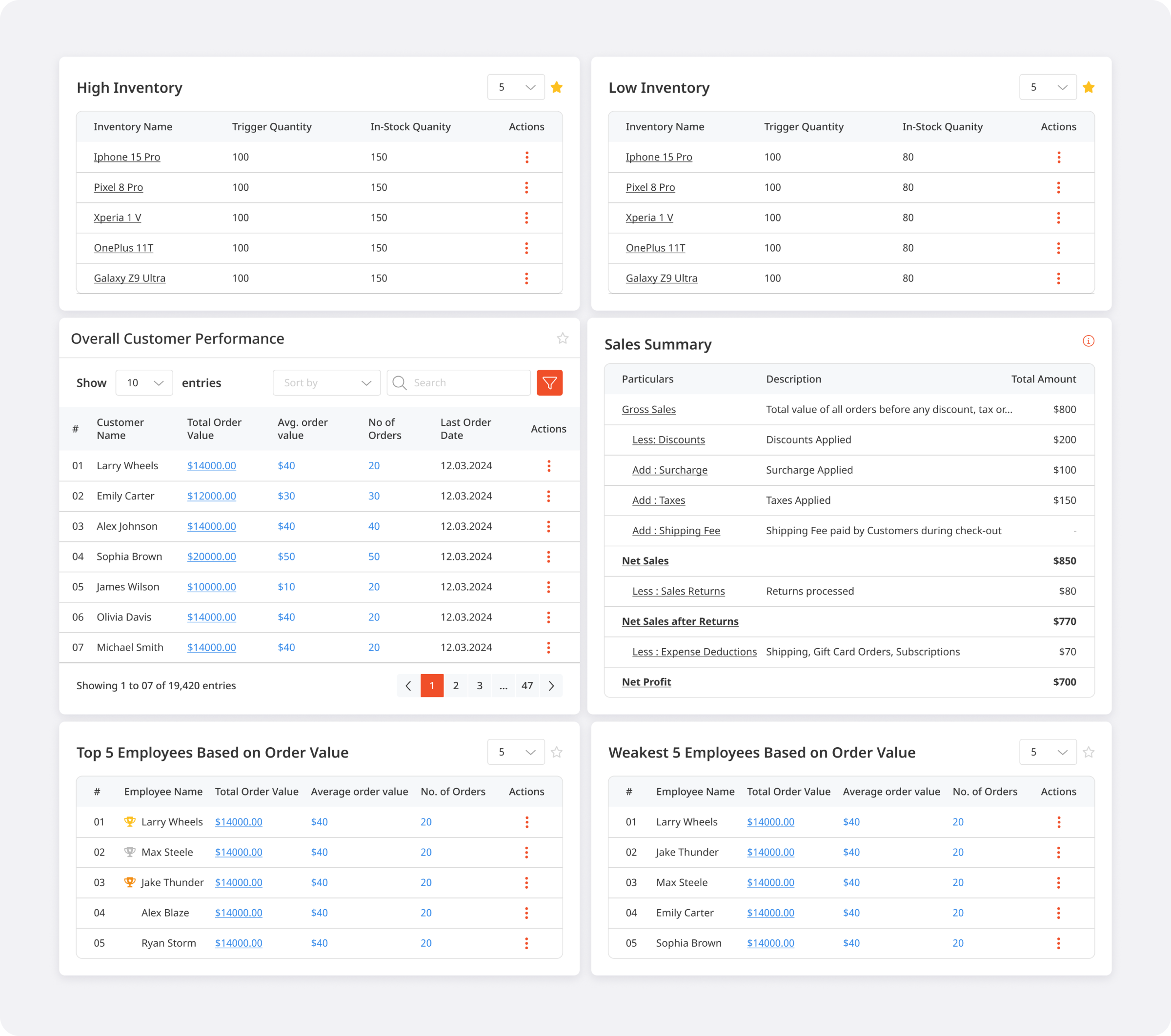
A visual summary of your key numbers, bookings this week, revenue this month, open invoices, client retention rate. Universell’s dashboard shows your business health at a glance.
How to Use Universell as Your CRM
Universell is not a traditional CRM. It’s an all-in-one platform that combines CRM, appointment scheduling, marketing automation, and invoicing, built specifically for service businesses. Here’s how to use it step by step.
Step 1: Set Up Your Client Records
Start by adding your existing clients. You can import them from a spreadsheet or add them one by one.
Each client record in Universell stores:
- Name and contact info
- Service history (what they booked and when)
- Notes from appointments
- Tags and custom fields
- Linked invoices and payments
- Communication history (emails sent, reminders triggered)
Pro tip: Use tags to segment your clients from day one. Tag new clients, returning clients, referrals, and VIPs. This makes your marketing automation much more effective later.
Step 2: Create Your Booking Pages
This is where Universell differs from traditional CRMs. Instead of just tracking leads, Universell lets clients book directly into your calendar.
Set up one or more booking pages:
- A consultation page for new leads
- A service page for existing clients
- A group class or workshop page
Each page shows your availability, lets clients pick a time, and automatically creates a client record if they’re new. The booking triggers confirmation emails, reminders, and follow-ups automatically.
Why this matters: In a traditional CRM, you’d need to manually enter a lead, send a calendar link, and follow up. In Universell, the booking itself creates and updates the CRM record.
Step 3: Build Your Pipelines
Universell lets you create pipelines that match your real workflow. For most service businesses, a simple pipeline looks like this:
- Inquiry – someone filled out a contact form or booked a consultation
- Consultation Scheduled – they have a call or visit coming up
- Consultation Completed – you’ve met and discussed their needs
- Proposal Sent – you sent a quote or offer
- Closed Won – they booked a service or made a purchase
- Closed Lost – they went elsewhere or decided not to proceed
- Drag and drop clients between stages as they move through your process. Universell’s pipeline view shows you exactly where every lead is, so nothing falls through the cracks.
Step 4: Set Up Automated Follow-Ups
This is where Universell saves you hours every week. Instead of manually sending confirmation emails, reminders, and thank-you messages, you set them up once and they run forever.
Common automations to set up:
- New booking trigger: sends confirmation email immediately, reminder 24 hours before, reminder 2 hours before
- Appointment completed trigger: sends thank-you email, review request, and re-booking link
- No-show trigger: sends a rebooking link and a personal note
- Lead inactivity trigger: if a lead hasn’t booked after 14 days, send a gentle nudge email
- Birthday trigger: send a special offer on the client’s birthday
- Each automation is tied to your client records, so you can see exactly which emails each client has received.
Step 5: Send Targeted Email Campaigns
Beyond automated triggers, Universell lets you send broadcast emails to segments of your list.
Examples of campaigns you can run:
- A monthly newsletter to all active clients
- A re-engagement offer to clients who haven’t booked in 90 days
- A referral request to your VIP segment
- A seasonal promotion to your entire list
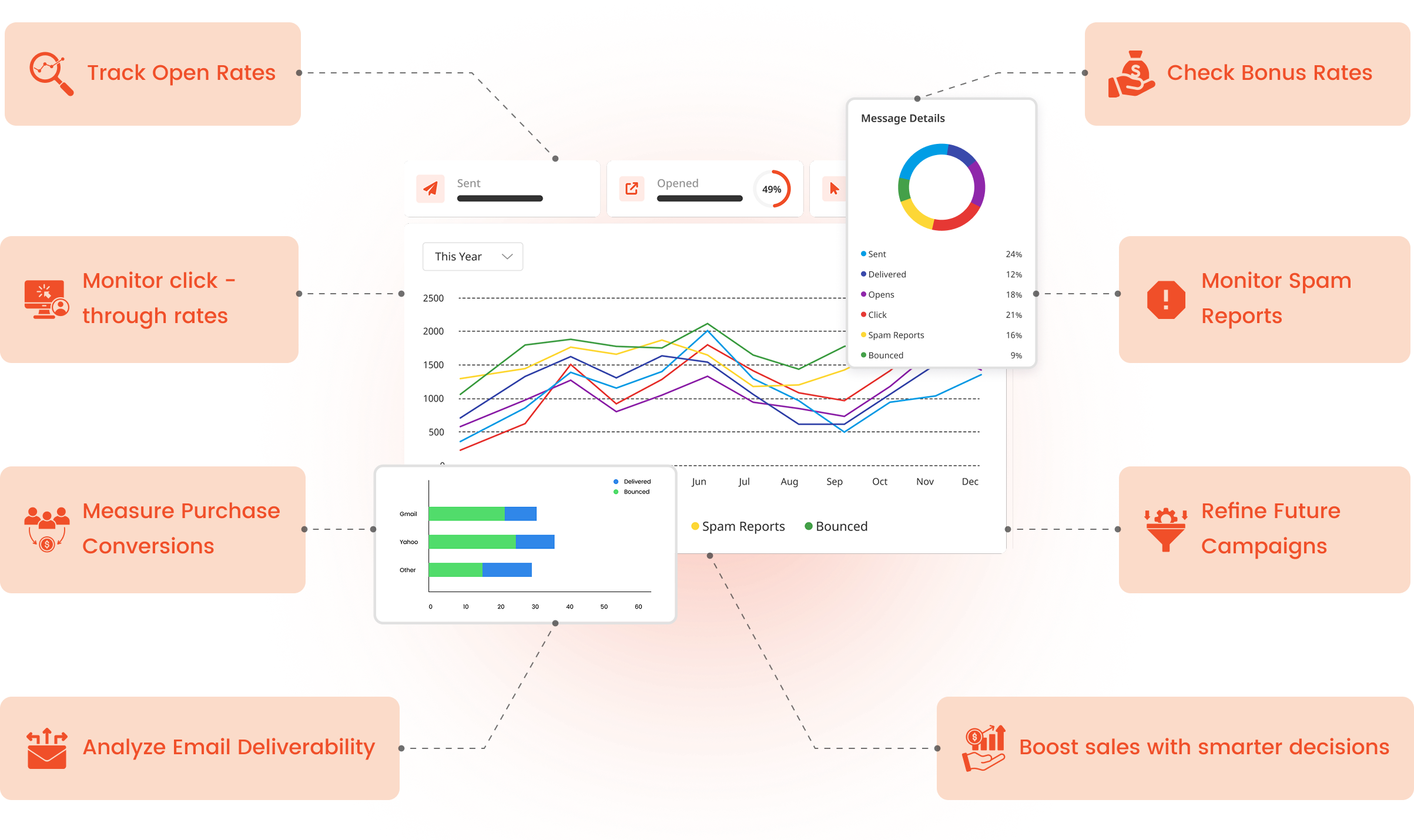
- You can write emails in Universell’s editor, schedule them, and track open rates and click-through rates. The results feed back into each client’s record.
Step 6: Manage Invoices and Payments
Every service business needs to get paid. Universell lets you create invoices directly from appointments or manually. Invoices are linked to client records, so you can see payment history, outstanding balances, and past due amounts at a glance.
Payment features include:
- Create and send invoices from client profiles
- Accept online payments
- Track paid, pending, and overdue invoices
- Send automatic payment reminders
- View revenue reports by day, week, or month
Step 7: Check Your Dashboard
Universell’s dashboard gives you a real-time view of your business.
Key metrics include:
- Appointments today, this week, this month
- Revenue for the current period
- Open invoices and overdue amounts
- New leads and new clients
- Email campaign performance (opens, clicks, unsubscribes)
- Check your dashboard daily to spot trends and catch issues early.
How Universell Compares to Traditional CRMs
Traditional CRMs like HubSpot, Salesforce, and Pipedrive were built for product sales. They assume you’re tracking leads through a long sales cycle, handing them off between team members, and closing deals that involve proposals and contracts.
Universell was built for service businesses. It assumes you’re booking appointments, sending reminders, following up after services, and getting paid per session or visit.
What traditional CRMs lack for service businesses:
- Native appointment scheduling (you need to add Calendly or Acuity)
- Automated service-based reminders (you need a separate tool)
- Service history linked to client profiles (most CRMs track deals, not services)
- Native invoicing for appointments (you need QuickBooks or similar)
- Client-facing booking pages (you need a separate booking tool)
What Universell includes natively:
- Appointment scheduling with calendar sync
- Automated email and SMS reminders
- Client profiles with full service history
- Invoicing and payment processing
- Marketing automation and email campaigns
- Pipeline management for leads
- Dashboard with service-specific metrics
Common Mistakes to Avoid When Using a CRM
Mistake 1: Buying a CRM before you know your workflow
Know your process first. What happens when a lead reaches out? What happens after a service? Map it out on paper, then find a CRM that matches it.
Mistake 2: Choosing a CRM built for a different business type
If you run a service business, don’t use a CRM built for product sales. You’ll spend more time fighting the tool than serving clients.
Mistake 3: Not using automation
Manual follow-ups are the biggest time waste in small businesses. Set up automations for confirmations, reminders, and follow-ups, then let the software work while you work.
Mistake 4: Overcomplicating your setup
Start with the basics: client records, booking, and one automated follow-up. Add features as you get comfortable. Don’t try to set up everything on day one.
Mistake 5: Ignoring your data
Check your dashboard weekly. Which services are most popular? Which campaigns get the best response? Which clients haven’t booked in a while? Use the data to make decisions.
Getting Started with Universell
If you’re ready to stop juggling separate tools for scheduling, client management, and follow-ups, Universell brings everything together in one place.
Here’s how to start:
- Sign up at Universell
- Import your existing client list or add clients manually
- Set up your first booking page
- Create one automation (start with appointment reminders)
- Send your first email campaign to your existing clients
- You can be up and running in less than an hour. And because Universell is built for service businesses, the workflow will feel natural from day one.