Most businesses know they should segment their email list. Sending the same message to everyone is a waste. Your new leads need different content than your long-time customers, and your inactive subscribers need a different nudge than your active ones.
But manual segmentation is a pain. You export lists, sort by columns, create static groups, and then forget to update them. A week later, someone who just made a purchase is still getting your “come back and buy” emails. A lead who went cold three months ago is still getting your “welcome” series.
Automated email segmentation solves this. Instead of static lists that go stale, you use dynamic rules that update in real time based on behavior, demographics, and engagement. Your segments stay accurate without any manual work.
Here’s how to set it up with Universell, step by step.
What Data Do You Need Before You Automate Segmentation?
Before you can automate anything, you need clean, organized data. Automated segmentation only works if the data feeding it is accurate.
You need a few essential data points to get started. Email address is the primary identifier for every contact. Signup date helps you identify new versus existing contacts. Purchase history determines customer status and value. Last visit date tracks recency for re-engagement. Service type enables personalized messaging. And email engagement data: open and click rates show you how interested each contact is.
If your data is messy, clean it first. Deduplicate contacts, fix formatting inconsistencies, and fill in missing fields. Universell makes this easy with built-in data cleaning tools.
How to Automate Email Segmentation in Universell
Step 1: Define Your Segments
Start with segments that align with your business goals. For most service-based businesses, these five segments are a good starting point.
New leads: signed up in the last 30 days, no purchase yet. Active customers: purchased or booked within the last 60 days. At-risk customers: no activity in 60 to 90 days. Inactive customers: no activity in 90 or more days. VIP customers: high lifetime value or frequent bookings.
Step 2: Create Dynamic Lists in Universell
Universell lets you create dynamic lists that update automatically based on rules you set.
Go to Contacts > Lists in your Universell dashboard. Click Create List and select Dynamic List. Set your criteria. For example, you might set a rule that says “last booking date is more than 60 days ago” or “total spend is greater than $500.” Save the list. Universell will automatically add and remove contacts as their behavior changes.
Step 3: Build Automated Email Journeys
Once your dynamic lists are set up, connect them to automated email journeys. In Universell, go to Automation > Journeys and click Create Journey.
Set your trigger, for example, “Contact added to At-Risk list.” Then add email actions. Send a re-engagement email immediately. Wait 7 days. If no open, send a follow-up with a discount offer. If no response after 14 more days, move them to the Inactive list.
Step 4: Personalize Your Email Content
Each segment needs different messaging.
New leads should receive a welcome email introducing your brand, educational content about your services, and a first-time booking incentive.
Active customers need appointment reminders and aftercare tips, loyalty program updates, and referral requests.
At-risk customers respond best to a “we miss you” check-in email, a limited-time rebooking discount, and a feedback survey.
Inactive customers need a win-back email with a strong offer, a “last chance” email before removal, and an option to update their preferences.
VIP customers deserve exclusive offers and early access, birthday or anniversary rewards, and personalized service recommendations.
Step 5: Test and Optimize
Automated segmentation isn’t set-and-forget. Monitor your results and refine over time.
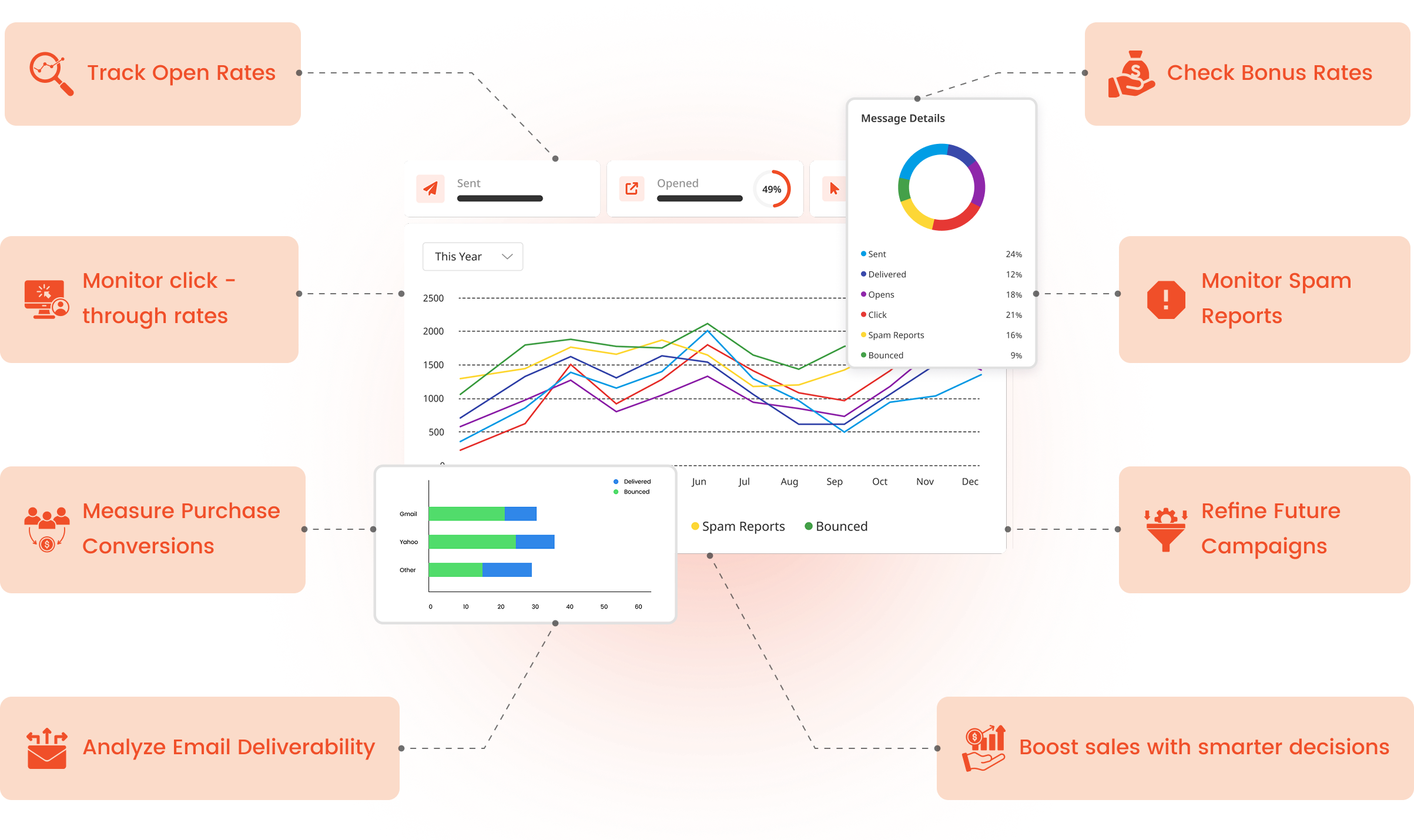
Watch your open rate by segment, are certain segments underperforming? Track click-through rate to see if your content is resonating. Measure conversion rate to confirm your emails are driving bookings or purchases. And keep an eye on unsubscribe rate to make sure you’re not sending too many emails.
Use Universell’s A/B testing to try different subject lines, send times, and offers. Let the data guide your decisions.
Common Mistakes to Avoid
Too Many Segments Too Soon
Start with three to five segments. Add more only after you’ve validated that each segment behaves differently and justifies its own content strategy.
Static Segments That Don’t Update
If you’re manually moving contacts between lists, you’re not doing automated segmentation. Dynamic lists are the whole point.
Ignoring Inactive Contacts
Many businesses delete inactive contacts without trying to re-engage them first. A well-crafted win-back sequence can recover 10 to 20 percent of dormant contacts.
Sending the Same Content to Everyone
Segmentation only works if you personalize the messaging. A VIP customer shouldn’t get the same email as a new lead.
Ready to Streamline Your Email Targeting?
Automated email segmentation turns your email list from a broadcast channel into a precision tool. With Universell, you can set up dynamic segments, build automated journeys, and personalize content, all without manual work.
Start with three segments. Get those running well. Then expand. You don’t need perfect segmentation on day one. You need good segmentation that gets better over time.